


Anavar Side Effects What Users Need to Know
Users seeking performance enhancement without severe toxicity often turn to anavar, but its side effects remain a critical concern. This oral steroid, known for mild androgenic activity, still carries risks like suppressed natural testosterone production, which can lead to fatigue and libido loss even at moderate doses. Additionally, it may cause adverse lipid profile changes, lowering HDL cholesterol while elevating LDL, increasing long-term cardiovascular strain. Liver toxicity is less common than with other oral steroids, but prolonged use can elevate hepatic enzymes, necessitating careful monitoring.
What Makes This Steroid Different From Others in Terms of Safety
What makes Anavar stand out for safety is its mild impact on the liver and its low tendency to convert into estrogen. Unlike harsher steroids like Dianabol or Anadrol, Anavar rarely causes water retention or gynecomastia, which are common side effects with others. Its reduced androgenic activity also means users see less aggressive side effects like severe hair loss or acne. While not risk-free—it can still suppress HDL cholesterol and natural testosterone—these effects are typically less severe than with bulkier steroids. This makes it a go-to for cutting cycles where side effect anavar management is a priority.
Why It Is Considered Mild and What That Actually Means for You
Anavar is considered mild because it does not convert to estrogen, eliminating common side effects like water retention and gynecomastia. Its chemical structure also has low hepatotoxicity compared to oral C-17 alpha alkylated steroids, allowing for liver strain reduction at standard doses. This means for you: fewer visible cosmetic side effects, a lower likelihood of blood pressure spikes from water weight, and a reduced need for aggressive liver support. However, “mild” does not mean risk-free—proper dosing and cycle length are still critical.

Q: Does Anavar’s mild nature mean I can ignore side effect risks entirely?
A: No. While low estrogenic activity reduces feminization risks, Anavar can still suppress natural testosterone and impact cholesterol profiles, requiring post-cycle therapy and lipid monitoring for safe use.

How the Liver Responds to This Oral Compound
Anavar’s hepatotoxicity is low because the C-17 alpha alkylation is uniquely mild, leading only to a modest elevation in liver enzymes like ALT and AST rather than overt damage. The liver metabolizes this compound through glucuronidation, bypassing the heavy oxidative stress typical of other oral steroids. Within a few weeks, these markers may rise 20–40% above baseline but rarely reach clinically concerning levels in healthy users. A supportive regimen can prevent further strain:
- Monitor liver function every four weeks
- Limit alcohol and fatty foods
- Use TUDCA or NAC daily
This limited hepatic response distinguishes Anavar from harsher C-17 alkylated compounds.
Sex-Specific Considerations for Men and Women
Men and women experience distinct side effect profiles from Anavar due to hormonal differences. In men, exogenous oxandrolone suppresses natural testosterone production, often leading to hypogonadism, libido loss, and potential gynecomastia if estrogen rebounds. Women, however, face virilization risks such as clitoral enlargement, voice deepening, and hirsutism, even at low doses. Androgenic side effects are more pronounced in women because their lower baseline testosterone makes them sensitive to synthetic androgens. Men must monitor lipid panels for HDL suppression, while women should prioritize dose titration to avoid irreversible masculinization.
- Women: Start with 5–10 mg/day to gauge virilization response; stop immediately if voice changes occur.
- Men: Use 20–50 mg/day but implement a post-cycle therapy (PCT) protocol to restore natural testosterone.
- Both sexes: Avoid stacking with other androgens to prevent additive strain on liver or lipid metabolism.
Short-Term Physical Reactions You Might Notice
Within the first week of anavar use, you may notice short-term physical reactions such as lower back pumps, appetite suppression, or mild headaches. These often stem from electrolyte shifts or increased nitrogen retention.
A sudden, sharp pump in your lower back during minimal activity is a classic early indicator of the drug’s effect on muscle hydration and androgen sensitivity.
You might also experience slight lethargy or reduced endurance, particularly if liver enzymes are transiently elevated. Some users report increased acne or oily skin, especially in the shoulders and face. These reactions typically subside or stabilize as your body adjusts, but monitoring them closely helps gauge tolerance and avoid escalation into more serious issues like dehydration or strain.

Changes in Skin, Hair, and Nail Health
During short-term Anavar use, some users notice changes in skin, hair, and nail health. Skin may become oilier, leading to acne on the face, chest, or back. Hair thinning or increased shedding can occur, particularly in those predisposed to male pattern baldness. Nails might become brittle or grow slightly faster. These effects typically reverse upon discontinuation. Q: Can Anavar directly cause hair loss? A: Yes, it can accelerate hair thinning in genetically susceptible individuals by increasing scalp sensitivity to androgens.
Impact on Sleep Patterns and Energy Levels
During the first few days, you might notice disrupted sleep quality common with anavar. Falling asleep feels harder, and you wake up frequently. Your energy levels can paradoxically spike during the day, making you feel buzzed but physically tired. This energy often feels jittery rather than sustainable, leaving you drained by early evening. A simple fix is taking your dose in the morning. If insomnia persists, it may signal your body adjusting to the compound.
| Aspect | Typical Experience |
|---|---|
| Sleep onset | Longer to fall asleep, racing mind |
| Nighttime | Restless, multiple wake-ups |
| Daytime energy | Unstable surges followed by crashes |
Digestive Upset and Appetite Shifts
Among the first physical signals from anavar, many users report noticeable digestive upset and appetite shifts. This can manifest as mild nausea, bloating, or loose stools shortly after dosing, particularly when taken on an empty stomach. Others find their hunger either dulls or spikes unpredictably, with some craving carbohydrates while feeling aversion to protein-rich foods. These changes often stem from the liver processing the compound and temporary alterations to gut flora. Timing doses with meals typically eases stomach irritation, while the appetite swing usually stabilizes within the first week as your body adjusts to the metabolic load.
Long-Term Health Risks You Should Understand
Long-term anavar use poses significant health risks that must not be overlooked. Chronic suppression of natural testosterone production can lead to persistent fatigue, bone density loss, and libido dysfunction, often requiring extended post-cycle therapy. Hepatotoxicity, though milder than oral C17-alkylated steroids, still accumulates with prolonged administration, potentially causing liver enzyme elevation or fibrosis over years. Cardiovascular strain is a primary concern: anavar lowers HDL cholesterol significantly and can promote arterial plaque progression, increasing long-term risks of hypertension and myocardial infarction. Do not exceed 6–8 weeks per cycle and always monitor lipid panels and liver function. Q: Will my testosterone recover after long-term anavar? A: Recovery is not guaranteed; many require long-term HRT if suppression exceeds 12–16 weeks without proper tapering and PCT protocol.
Cardiovascular Strain and Cholesterol Imbalances
Anavar use directly imposes cardiovascular strain by elevating blood pressure and increasing left ventricular workload, which can hasten arterial stiffness. The drug also alters cholesterol profiles, significantly lowering HDL (“good”) cholesterol while moderately raising LDL (“bad”) cholesterol. This creates a pronounced lipid imbalance that accelerates atherosclerosis. Even in low doses, these shifts can persist for weeks post-cycle, raising long-term plaque formation risk. Users with pre-existing lipid issues face compounded danger.
Cardiovascular strain from Anavar manifests as hypertension and increased cardiac workload, while cholesterol imbalances—marked by depressed HDL and elevated LDL—fuel atherosclerotic progression, both contributing to lasting vascular damage.

Hormonal Suppression and Recovery Timeline
Anavar’s anabolic nature directly suppresses your natural testosterone production, often within days of starting. Recovery isn’t automatic; your Hypothalamic-Pituitary-Testicular axis may require weeks to months to restart, especially after cycles exceeding six weeks. The timeline hinges on dosage and duration, with many users experiencing a post-cycle “crash” of low energy and libido. Bloodwork is the only reliable way to confirm full endogenous testosterone restoration.
- Low-dose cycles under 40mg/day often see recovery within 4–6 weeks.
- Higher or longer use can push recovery to 12 weeks or more.
- Missing post-cycle bloodwork risks mistaking temporary suppression for permanent damage.
- Prematurely starting another cycle before recovery doubles the timeline for full axis reset.
Potential for Liver Toxicity at Higher Doses
Higher doses of Anavar significantly elevate the risk of hepatotoxicity, as the compound is a C17-alpha-alkylated oral steroid metabolized directly by the liver. This strain can disrupt bilirubin processing and elevate liver enzymes (ALT/AST), potentially progressing to cholestatic jaundice or hepatic necrosis if sustained. The threshold varies, but doses exceeding 50–80 mg/day consistently trigger measurable liver stress within weeks. Unlike injectable anabolics, oral Anavar bypasses first-pass metabolism only partially, meaning systemic buildup compounds the toxicity. Marked by elevated bilirubin or dark urine, this damage is dose-dependent and reversible upon discontinuation only if caught early, but prolonged high-dose use risks irreversible fibrosis.
- Monitor liver enzymes every 4 weeks when exceeding 50 mg/day.
- Avoid concurrent hepatotoxins like alcohol or acetaminophen at higher doses.
- Limit cycles to 6–8 weeks at elevated doses to reduce cumulative strain.
How Dosage and Cycle Length Influence Unwanted Effects
Anavar’s side effect profile shifts dramatically with dosage and cycle length. At 20-30mg daily for 6-8 weeks, liver strain and cholesterol disruption remain minimal for most users. Pushing to 50-80mg or extending past 10 weeks dramatically escalates risks—HDL plunges, LDL spikes, and hepatic stress becomes clinically relevant. The longer you push high doses, the more testosterone suppression deepens, requiring a longer PCT. Q: Does a 4-week cycle at 40mg cause fewer side effects than an 8-week cycle at 20mg? A: Not necessarily—the higher dose accelerates lipid damage and suppression faster, even if exposure time is shorter. Every extra milligram and every extra week amplifies the chance of androgenic effects like hair shedding or acne, especially in women.
Typical Ranges That Minimize Complications
For keeping side effects in check, most users find that sticking to low-to-moderate anavar doses like 20–40 mg daily for 6–8 weeks works best. Going above 50 mg or extending past 8 weeks often spikes cholesterol issues and strains the liver. A sweet spot around 30 mg for 6 weeks typically avoids major hormonal disruption while still delivering results. Some people drop to 20 mg if they feel any back pumps or lethargy. Shorter cycles of 4 weeks at 40 mg also cut down on hair shedding risks. Always assess your body’s response within these typical ranges to minimize complications.
Signs You Are Taking Too Much Too Fast
If you start noticing aggressive back pumps or muscle cramping during routine activity, that’s a clear red flag of “Signs You Are Taking Too Much Too Fast” on Anavar. A sudden spike in lethargy, where you feel drained rather than energized, also signals your liver and kidneys are overwhelmed. Digestive distress like nausea or appetite loss appears quickly when you exceed your tolerance. Listen to your body’s urgency, not a pre-planned schedule.
- Uncontrollable lower back pain during walking or bending
- Sudden, severe headaches within hours of a dose increase
- Unexplained dark urine or oily, splotchy skin breakout
Why Shorter Cycles Are Safer for Beginners
For beginners, shorter Anavar cycles (typically 4–6 weeks) significantly reduce the risk of cumulative side effects by limiting the duration of hormonal disruption. The body has less time to develop negative adaptations like liver strain or lipid imbalances. Shorter exposure windows enable quicker recovery of natural testosterone production after cessation, minimizing suppression severity. This approach also lowers the chance of estrogenic rebound or prolonged metabolic stress. A clear sequence for safer beginner protocol includes:
- Selecting a low dose (15–20mg daily)
- Limiting cycle length to 4 weeks
- Monitoring for early warning signs like lethargy or acne
- Implementing a structured post-cycle recovery phase
These steps directly correlate to fewer unwanted effects and a more manageable onset of any potential issues.
Practical Steps to Reduce or Manage These Reactions
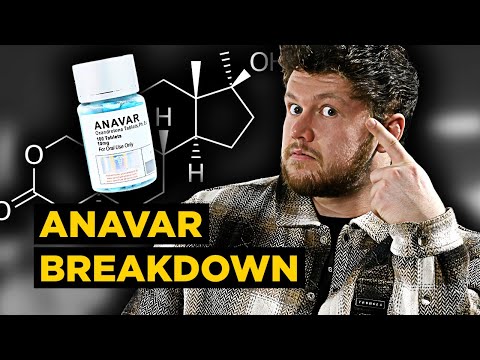
When the first signs of anavar side effects—like lower back tightness or a sudden rise in irritability—appear, you can act immediately. Crucial practical steps include splitting your daily dose into two smaller servings to stabilize blood levels, which often eases liver strain and mood swings. Increase water intake to two gallons daily and add 500 mg of milk thistle in the morning to support hepatic clearance; this directly manages the telltale dark urine some users report. If you notice hair thinning or a dry scalp, apply a topical ketoconazole shampoo every other day to block local hormone conversion.
One user found that by timing his dose with a high-fat breakfast, he avoided the midday nausea and joint ache entirely, proving that meal timing is a powerful lever.
Dropping the dosage by 10 mg for a week lets your body reset before resuming normal use—simple, direct, and effective for staying in control.
Supplements and Lifestyle Habits That Support the Body
To mitigate anavar side effects, targeted supplements and lifestyle habits support the body’s stress response. Milk thistle or N-acetylcysteine aids liver function, while omega-3s help manage cholesterol shifts. Electrolyte balance is critical to counteract joint or muscle tension, supported by increased potassium and magnesium intake. Prioritizing 7–9 hours of sleep and daily cardiovascular activity helps regulate blood pressure and hormone fluctuations.
Q: Do I need to take liver support supplements daily while on anavar?
A: Yes, consistent use of liver-protective supplements like TUDCA or milk thistle is recommended throughout the cycle to reduce hepatic strain.
When to Stop and How to Seek Medical Advice
Discontinue Anavar immediately if you experience jaundice, dark urine, persistent nausea, or severe abdominal pain, as these signal hepatotoxicity. Seek medical advice when blood pressure spikes above 140/90 mmHg or you notice unexplained edema, indicating cardiovascular strain. For gynecomastia or voice deepening in females, stop the drug and consult a specialist within 48 hours. Routine liver function and lipid panels are essential before symptoms arise to guide cessation decisions. Always present your exact dosage and duration to the clinician for a targeted assessment. Immediate cessation upon detection of jaundice or chest pain is non-negotiable.
Stop Anavar at the first sign of liver distress, cardiovascular symptoms, or virilization; seek urgent medical advice for symptom evaluation, bloodwork, and a personalized discontinuation plan.
Blood Work Markers You Should Monitor Regularly
To manage anavar side effects, monitor blood work markers for anavar safety, specifically lipid panels and liver enzymes. Check HDL and LDL cholesterol, as anavar suppresses HDL, increasing cardiovascular risk. Track AST and ALT to detect hepatic stress, even at low doses. Also monitor kidney function via creatinine and BUN, plus hematocrit for polycythemia. Regular testing every 4–6 weeks on cycle ensures you can adjust dosage or stop early.


